
A community garden created for the Royal Norfolk Agricultural Association by garden designer Kate Thomson, working alongside Kristopher Harper‑Allison, Project Lead for the Royal Norfolk Agricultural Association.
Sponsored by The Royal Horticultural Society.
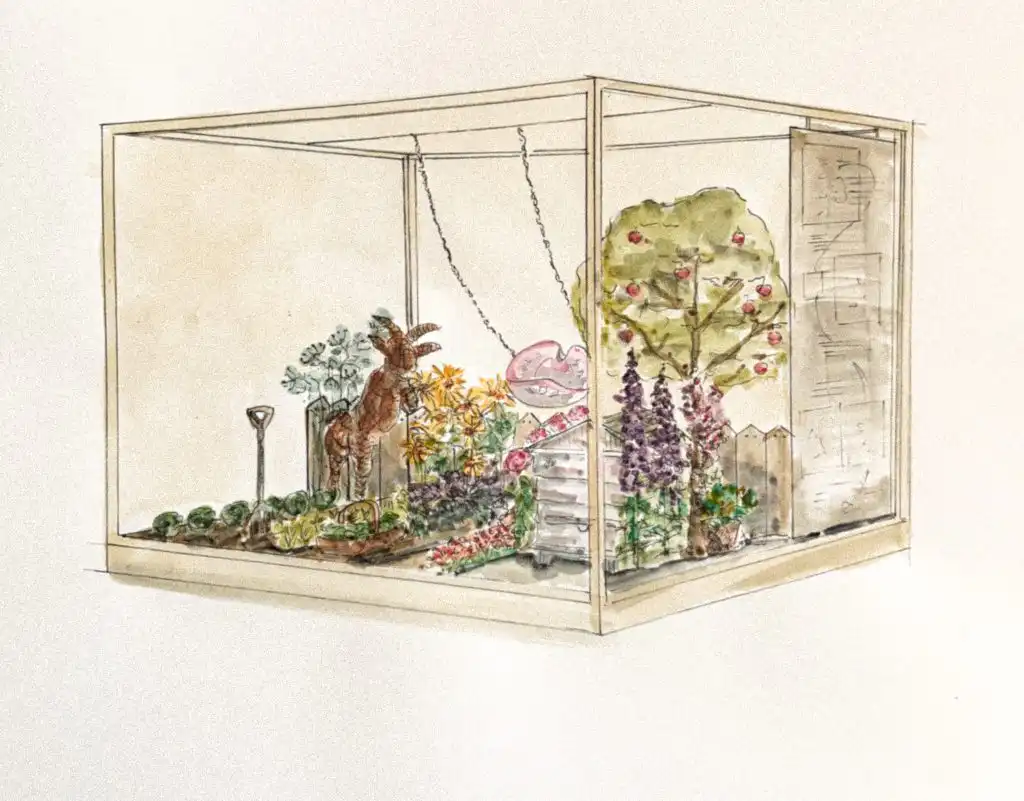
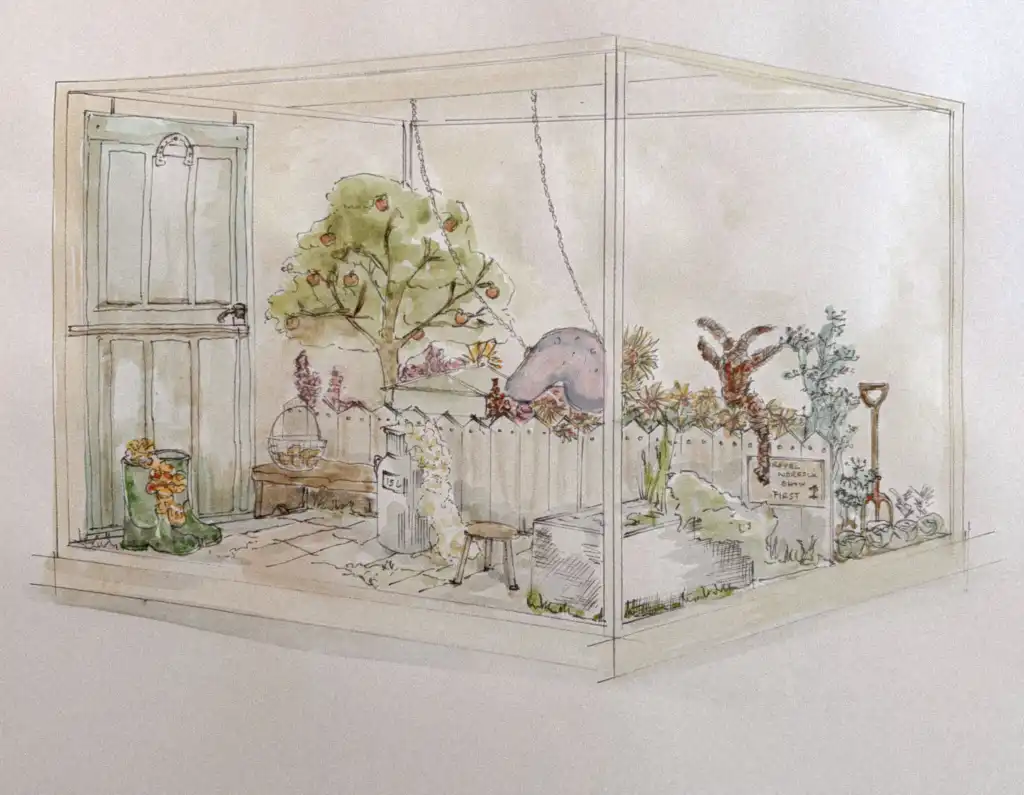
The garden brings to life a story rooted in Norfolk’s fields, farmyards and farmhouse doorsteps: The story of the women whose contributions have shaped the past, present and future of British farming. From the Women’s Land Army, once based across the country, including on the Sandringham Estate, to today’s female growers, stock keepers, horticulturists and agricultural leaders, this garden honours their labour, resilience and enduring legacy.
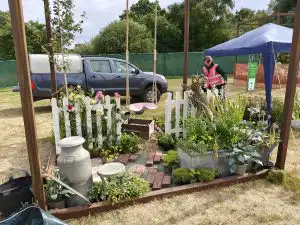
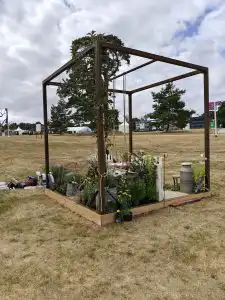
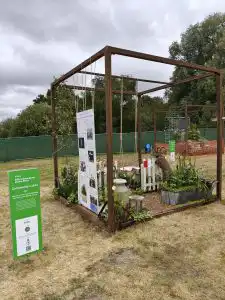
Designed as a circular journey, the garden guides visitors through four interconnected areas, each revealing a different facet of women’s work on the land. At the heart sits a Massey Ferguson swing seat, echoing the rise of farm machinery and mechanisation; its rhythmic movement symbolically draws the four areas together, reflecting how women’s labour has always connected field, home, livestock and the future of farming. Scattered throughout the garden, farm companions form a playful trail that invites families and younger visitors to explore the biodiversity of a farm.
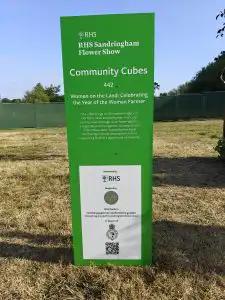
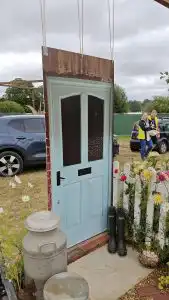
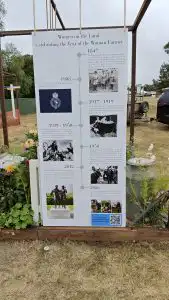
A single interpretation board, positioned in The Farmhouse Door area, acts as the garden’s narrative threshold. One side evokes the farmhouse door itself, an entry point into daily rural life, while the public-facing side unites the stories at the core of the garden. It explores the profound impact of the Women’s Land Army at Sandringham, where thousands of women lived, trained and worked during wartime, and it celebrates the modern rise of women farmers and growers, marking 2026 as a national year of recognition and celebration.
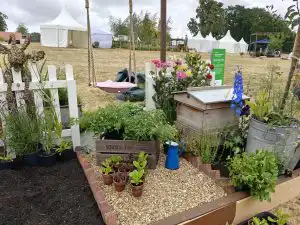
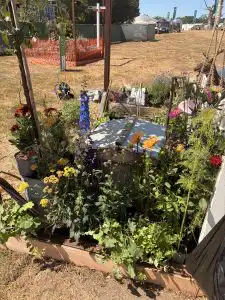
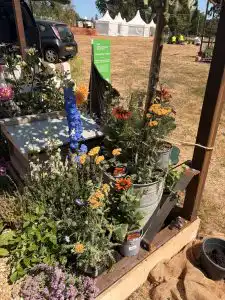
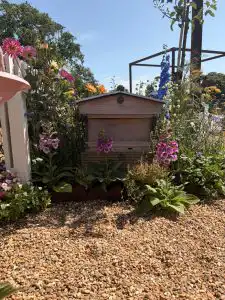
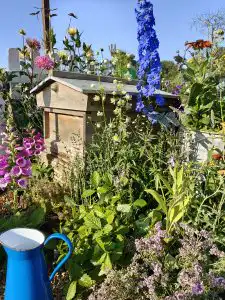
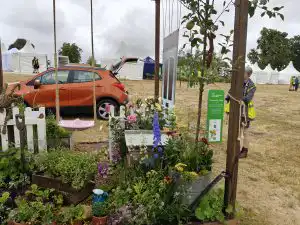
A vibrant patchwork of seasonal blooms reflects the long tradition of cultivating flowers for home, market and community. The beehive symbolises women’s role in pollinator stewardship and the essential partnership between growers and nature. This area celebrates the artistry, skill and economic contribution of women who have grown flowers for generations.
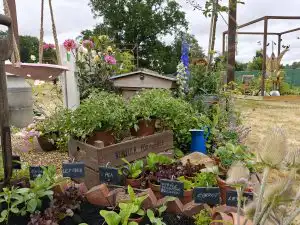
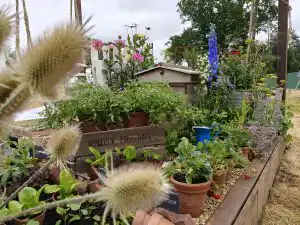
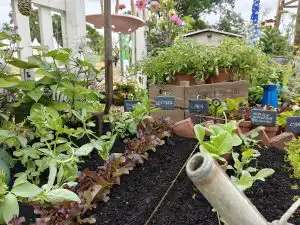
A productive space showcasing the crops that have sustained households and fed communities. From heritage varieties to modern staples, this area honours women as growers, seed‑savers and innovators. It reflects the quiet expertise of those who have managed kitchen gardens, allotments and market plots which were often the backbone of rural food security.
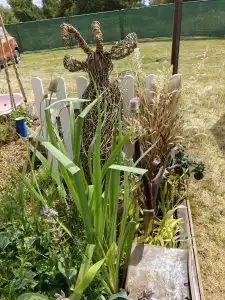
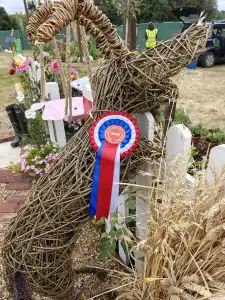
A lively farmyard scene highlights women’s work with livestock, milking, feeding, tending, and managing animals central to rural life. The presence of goats and water evokes both the practical rhythms of the farm and the deep knowledge women have carried in animal husbandry. This area is also a nod to the Land Army’s wartime duties, many of which involved livestock care on Norfolk farms.
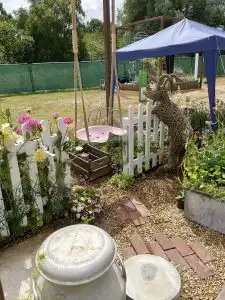
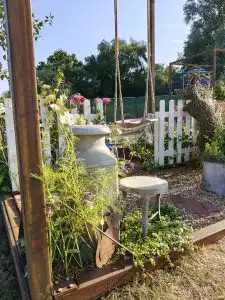
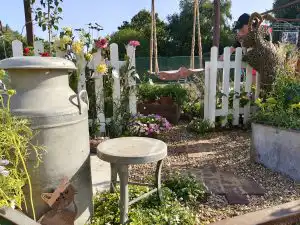
The threshold between home and working land, this area represents the daily movement of women between domestic and agricultural labour. Tools, baskets, boots and heritage equipment evoke the lived reality of women whose work rarely ended at the field gate. It is a place of transition, resilience and continuity, where past and future meet.
Throughout the garden, visitors will encounter a series of farm companions, forming a gentle trail that invites curiosity from families and younger visitors. These small presences celebrate the rich biodiversity of working farms and reflect the close, everyday relationships women have long held with the animals they cared for, protected and worked alongside.
Both the Royal Norfolk Agricultural Association and the Royal Horticultural Society share the honour of having His Majesty The King as Patron, reflecting a long tradition of royal support for agriculture, horticulture and rural communities.
The Royal Norfolk Agricultural Association has deep and enduring ties to the Sandringham Estate, most notably through the Royal Norfolk Show, which was hosted on the estate several times, with the final show held at Anmer in 1950, before the event moved to its permanent showground at Costessey.
Sandringham also holds a significant place in women’s agricultural history. During the Second World War, the estate was home to a major Women’s Land Army presence, where women lived, trained and worked across the farmland. This makes the estate a fitting and meaningful setting for a community garden that honours women’s contribution to the land, past, present and future. This garden stands as a tribute to the women who fed the nation, shaped the countryside and continue to lead the future of British farming.
The colour palette moves through the garden as a visual echo of women’s work on the land, shifting gently from one area to the next in a way that mirrors the rhythm of daily labour. The Cut Flower Garden begins with rich purples, soft pinks, mauves and warm oranges colours that speak of creativity, skill and the artistry of growing. As visitors move into the Vegetable Garden, these tones soften into fresh greens, burgundy stems and edible reds, reflecting the transition from floral craft to nourishment and productivity. The palette cools further in the Farmyard, where blue‑greens, creams and pale yellows evoke water, livestock care and the practical, grounded tasks that shaped rural life. Finally, the colours warm again at the Farmhouse Door, where soft pinks, warm greens, lavender purples and tomato reds create a sense of homecoming the threshold where domestic and agricultural work met. This circular palette reinforces the idea that women’s labour on the land was continuous, interconnected and cyclical, flowing seamlessly from one role to the next.
Barcham Trees – https://www.barcham.co.uk/
Fenwick & Tilbrook – https://www.fenwickandtilbrook.com/
Harper & Debbage – https://www.harperdebbage.uk/
James Cawston (JMC Garden and Landscaping Services) – https://www.jmcgardens.co.uk/
Josh Clarke (Grounded Garden Design) – https://groundedgardendesign.co.uk/
Kenny Barnes
Norfolk Museum Service (Gressenhall Rural Live Museum) – https://www.gressenhall.norfolk.gov.uk/
PlantGrow – https://plantgrow.co.uk/
Practical Plants – https://practical-plants.co.uk/
Richard Love (Life in Willow) – https://lifeinwillow.co.uk/
Toby Mitchell
Latest Updates from the RNAA Garden at RHS Sandringham
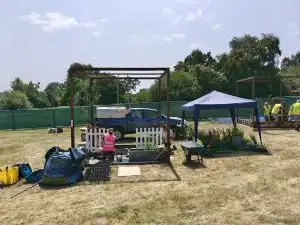
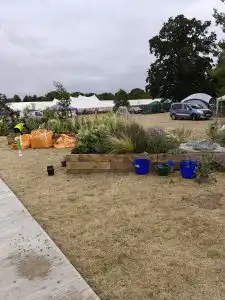
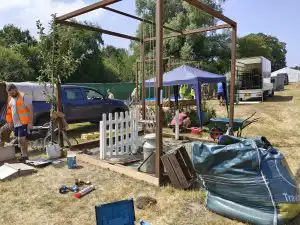
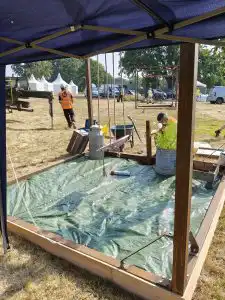
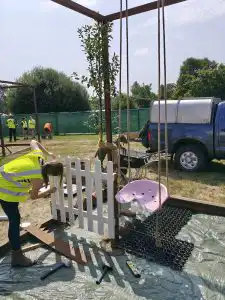
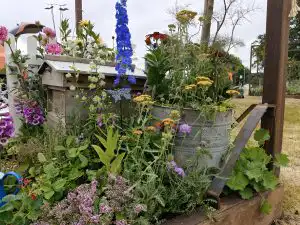
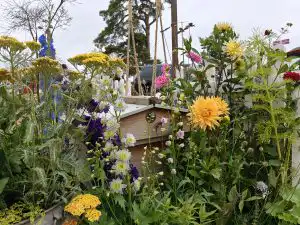
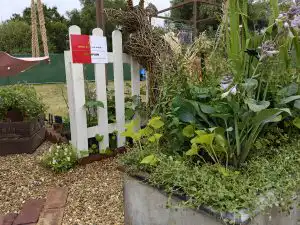
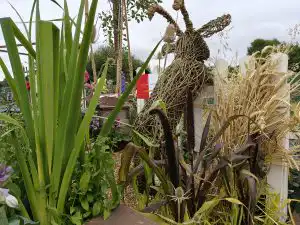
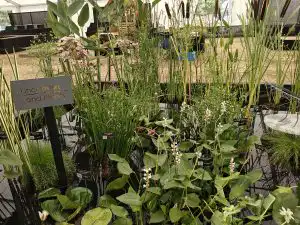
Listed below are the plants being showcased in the RNAA Garden
PLANT NAME | COMMON NAME |
Dahlia ‘Mixed Varieties) | Dahlia |
Delphinium Mixed Varieties) | Delphinium |
Hyssopus officinalis ‘Roseus’ | Pink Hyssop |
Salvia mainacht | Salvia |
Foeniculum vulgare ‘Purpureum’ | Bronze Fennel |
Scabiosa col.’Butterfly Blue’ | Pincushion Flower |
Achillea millefolium ‘Terracotta’ / ‘Summer Pastels’ | Yarrow |
Verbena bonariensis | Verbena |
Viola | Heartsease / Wild Pansy |
Fragaria vesca | Alpine Strawberry |
Fragaria × ananassa ‘Summer Breeze Rose F1’ | Strawberry |
Lactuca sativa (mixed) | Lettuce |
Phaseolus vulgaris ‘Purple Queen’ | Dwarf French Bean |
Pisum sativum ‘Kelvedon Wonder’ | Pea |
Solanum lycopersicum ‘Tumbling Tom Red’ | Tomato |
Vicia Faba ‘Witkeim Faba’ | Broad Bean |
Beta vulgaris Rudolph F1 | Purple Sprouting Broccoli |
Malus ‘Egremont Russett’ | Apple |
Iris pseudacorus | Yellow Flag Iris |
Mentha spicata ‘Brundall’ | Spearmint / Mint |
Dipsacus fullonum | Teasel |
Carex elata ‘Aurea’ | Bowles’s Golden Sedge |
Hosta ‘Halcyon’ | Plantain Lily |
Lythrum salicaria | Purple Loosestrife |
Osmunda regalis | Royal Fern |
Sagina subulata | Heath Pearlwort |
Thymus serpyllum | Thyme |
Thymus ‘Foxley’ | Thyme |
Pratia pedunculata ‘County Park’ | Blue Star Creeper |
Mazus reptans ‘Albus’ | Mazus |
Sign up to our newsletter to hear the latest news from the Royal Norfolk Agricultural Association.